Estimates that turn into signed projects.
Meta advertising, landing pages and tracking for roofing contractors, built around how homeowners actually buy: a storm repair this week, an aging roof next spring, or a full replacement they've been putting off for two years.
Free 30-minute conversation. No cost, no obligation.
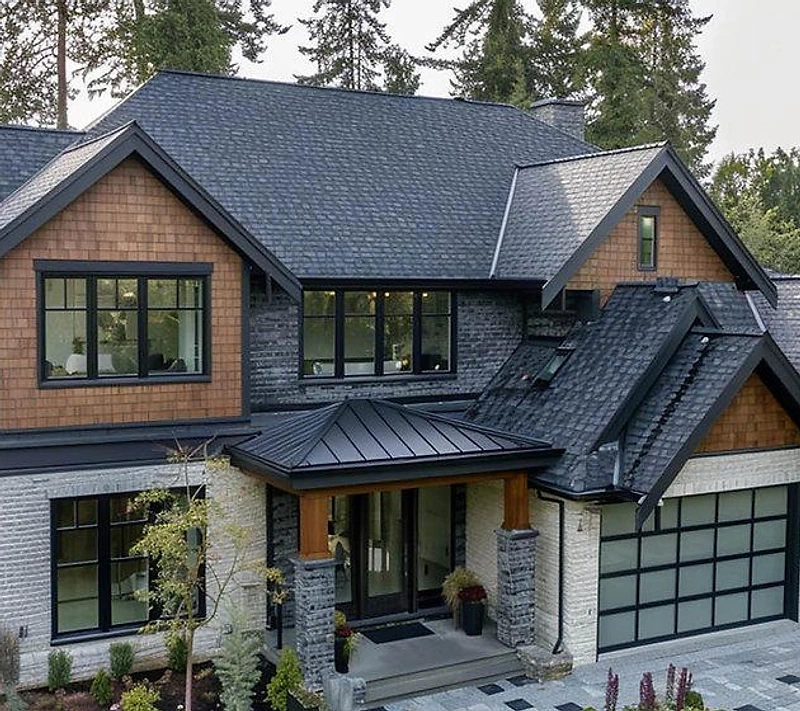
Illustrative image, not a client project.
Where roofing inquiries get lost.
Most roofing funnels don't fail at the ad. They fail between the click and the signed contract, in three predictable places.
Inspections that never become estimates
A homeowner clicks a free inspection ad, books a slot, and then the conversation stalls. The inspection happens, the estimate lands, and nothing follows.
The ad sells an inspection, but the page behind it has no next step — no expectation of what the visit includes, no reason to choose you over the two other bids arriving the same week.
Storm spikes that swamp the office
One hail event fills the inbox. Repair calls, insurance questions and full replacement inquiries all land in the same queue, and the biggest projects wait behind the smallest.
A single campaign set runs year-round for every job type, so an event-driven surge is served by the same creatives and the same intake form as routine work.
Cheap repair leads crowding out replacements
Spend keeps producing patch jobs while the replacement calendar sits half empty, and the estimator's day goes to projects that were never going to happen.
Broad targeting plus generic 'roof repair' creative pulls the lowest-intent clicks, and the landing page asks nothing about roof age, scope or insurance status.
Built around job type, not one generic campaign.
Repairs, claims and replacements carry different urgency, different budgets and different homeowners. The system is structured so each one gets its own path.
Separate campaigns by job type
Repairs, insurance-claim support and full replacements each get their own offer, creative and landing page, so your ad budget answers the job you actually want next.
Qualify before the calendar fills
A short, honest pre-qualification on the page — roof age, approximate size, insurance involvement — so inspections go to projects that can turn into signed work.
Prove the process on the page
Your own project photos, what the inspection covers, how the estimate is built and what happens after signing. Trust is the bottleneck on a five-figure decision.
Measure estimates, not clicks
Form submits, calls and booked inspections are tracked as separate events, then reviewed against the jobs you actually closed each month.
What this is designed to change.
These are the outcomes the system is built to produce, tracked month over month so you can judge whether it's working.
Intent, not a promise. We're an early-stage agency, so no client results or averages are displayed on this site — you'll see your own numbers in your own account.
- Fewer estimator hours spent on projects that were never going to convert.
- Storm weeks that don't push everyday replacement work off the calendar.
- A cost per booked inspection and per signed project you can see, instead of a cost per form.
- A clear read on which job type deserves more of next month's budget.
How a roofing acquisition system would be built.
A worked example of the structure we would propose: budget split by job type, then the funnel those assumptions would produce. The figures are hypothetical, chosen to make the model readable.
Hypothetical example. The budget, rates and job values below are invented to show how the structure works. They are not a client result, an average or a forecast of what you would spend or earn.
Example assumptions
- Monthly ad budget$5,000
- Cost per qualified lead$95
- Leads → booked call32%
- Booked call → job won22%
- Average job value$11,000
Rates like these are placeholders. Yours come from your own booking and closing history, which we review together.
- $5,000
Monthly ad spend
Your budget
- 53
Qualified leads
Spend ÷ cost per lead
- 17
Booked service calls
Leads × booked rate
- 4
Jobs won
Booked calls × close rate
- $44,000
Revenue at average job value
Jobs × average job value
- $1,250
Cost per job won
Spend ÷ jobs won
- 8.8×
Return multiple
Revenue ÷ spend
Where the budget would go
Splitting spend by job type is the part of the strategy that changes the most between industries. Each line gets its own offer, creative and landing page.
Full replacements
40% · $2,000The highest-value job type gets its own campaign, creative and landing page so it is never diluted by repair traffic.
Insurance-claim support
25% · $1,250Event-driven demand from storm damage, routed to the person who handles adjuster conversations.
Repairs and leaks
20% · $1,000Steady, low-friction work that keeps crews busy between larger projects and feeds replacement conversations.
Inspections
15% · $750The entry offer for homeowners who are not yet shopping, with a clear expectation of what the visit includes.
Free 30-minute audit. We build the model around your actual job values.
Roofing questions, answered plainly.
The things contractors ask before starting. If yours isn't here, the audit call is the place to ask it.
Discover What's Holding Back Your Growth.
A free introductory review and a 30-minute conversation about your marketing, your challenges, and where the opportunities might be. No cost, no obligation.